NIGERIA: A NATION OF MANY FAITHS, ONE DESTINY
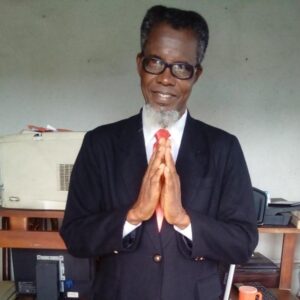
By: Amb. Dr. Samson Joseph Iriruaga
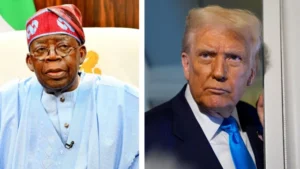
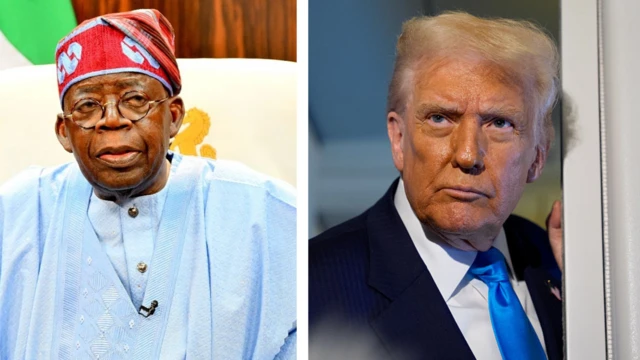
When former U.S. President Donald Trump referred to Nigeria as “a country of particular concern,” the statement naturally stirred reflections across our national spectrum. It is not unusual for nations to critique one another, but it becomes vital that such critiques be weighed against the full measure of truth, context, and progress.
Nigeria is not a nation indifferent to the pains and complexities of its challenges. Rather, it is a nation in constant motion—addressing historical grievances, navigating diversity, and striving to balance faith, ethnicity, and development within a vast democratic space. Ours is a country of 200 million citizens representing more than 250 ethnic groups and two dominant religions—Christianity and Islam—living side by side, often intermarrying, trading, and working together under one flag.
Yes, Nigeria has experienced violent conflicts—some rooted in ethnicity, others in competition for land, political power, or economic resources. These incidents have, at times, taken on religious coloration, particularly when criminals or extremists exploit faith to mask their motives. But to brand these complex social crises as a state-sponsored genocide against Christians is not only inaccurate, but deeply unfair to the thousands of Nigerian Muslims, traditionalists, and non-religious citizens who have also fallen victim to insecurity and violence.
The Nigerian state—through successive administrations—has remained unequivocal in its constitutional commitment to religious freedom and equality before the law. The federal constitution, under Section 38, guarantees every citizen the right to freedom of thought, conscience, and religion. Churches, mosques, and traditional shrines operate freely across the nation, and religious organizations are among the most vibrant civil society partners in education, healthcare, and humanitarian work.
Indeed, President Bola Ahmed Tinubu’s government, like those before it, continues to demonstrate resolve in strengthening interfaith dialogue and national cohesion. The Nigerian Inter-Religious Council (NIREC), jointly chaired by the Sultan of Sokoto and the President of the Christian Association of Nigeria (CAN), remains a strong example of collaboration between faith communities. Through NIREC and other platforms, Nigeria has repeatedly proven that dialogue—not division—is the soul of our nationhood.
Furthermore, security operations against violent extremist groups such as Boko Haram and ISWAP have been robust, costly, and inclusive. Thousands of Muslim and Christian soldiers alike have laid down their lives defending the unity and peace of Nigeria. The federal and state governments have also expanded programs in deradicalization, rehabilitation, and community peacebuilding to ensure that extremism—whether cloaked in religious or political garb—finds no safe ground in our society.
It is important to recognize that in a democracy as large and diverse as Nigeria’s, the path to full harmony is ongoing. Challenges remain—no doubt—but they are being confronted, not ignored. The Nigerian government’s efforts toward peace, constitutional reform, and inclusive governance continue to demonstrate that ours is a nation determined to overcome its differences with dignity and dialogue.
We, therefore, urge friends of Nigeria around the world, including former President Trump, to view our nation not through the lens of isolated tragedies but through the broader arc of our resilience and reform – Nigeria is not a land of genocide; it is a land of grace, grit, and growing understanding.
Our story is still being written—and it is one of faith coexisting with faith, not fighting against it.